chocolate sheet cake
Few desserts capture the heart of American baking quite like a rich, fudgy chocolate treat. This classic confection is famous for its velvety texture and the ease with which it comes together in a single pan. Whether you are hosting a large family gathering or simply craving a sweet indulgence, this timeless favorite never fails to impress.
Many home bakers rely on a trusted texas sheet cake recipe because it delivers consistent results every time. Unlike traditional layer cakes that require complex assembly, this version relies on a simple pour-over frosting that sets into a glossy, decadent finish. It is the ultimate solution for busy kitchens that demand high-quality flavor without the stress of elaborate decorating.
Understanding the balance of cocoa, butter, and buttermilk is the secret to mastering this dessert. By following this specific texas sheet cake recipe, you will learn the essential techniques that create its signature moist crumb. Get ready to elevate your baking skills and discover why this dessert remains a beloved staple in households across the country.
Key Takeaways
- The dessert is celebrated for its signature fudgy texture and simple preparation.
- A pour-over frosting technique creates a glossy, professional finish effortlessly.
- It serves as a reliable, crowd-pleasing option for large gatherings and events.
- Mastering the balance of buttermilk and cocoa is key to a moist crumb.
- This classic treat remains a staple in American homes due to its convenience.
What is Texas Sheet Cake and Why It Remains a Classic
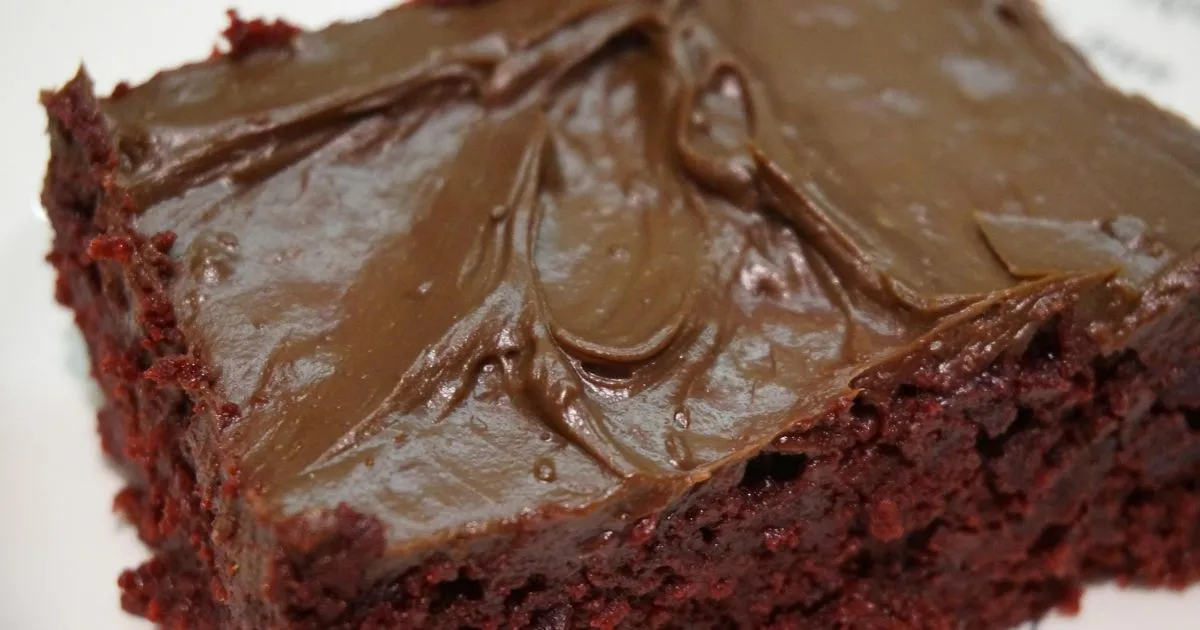
If you have ever attended a Southern potluck, you have likely encountered the irresistible charm of a texas sheet cake. This iconic dessert is famous for its thin, moist profile and a signature warm-poured frosting that sets into a glossy, fudgy layer. It is a true centerpiece for family reunions and community gatherings across the United States.
When asking what is texas sheet cake, the answer lies in its unique preparation method. Unlike traditional layer cakes that require stacking and complex decorating, this recipe is baked in a large, shallow pan. The batter is often prepared by boiling ingredients, which creates a deep, intense chocolate flavor that defines the experience.
The enduring popularity of the texas sheet cake stems from its remarkable reliability. Home bakers appreciate how quickly it comes together, making it the perfect solution for feeding a large crowd on short notice. Its simplicity does not sacrifice quality, as the combination of a tender crumb and rich icing remains a favorite for all ages.
| Feature | Traditional Layer Cake | Texas Sheet Cake |
|---|---|---|
| Baking Time | Longer (30-45 mins) | Short (18-22 mins) |
| Frosting Method | Spread when cool | Poured while warm |
| Serving Size | Standard slices | Large crowd portions |
| Texture | Fluffy and tall | Dense and moist |
This dessert remains a classic because it balances convenience with indulgence. Whether served at a casual backyard barbecue or a formal holiday dinner, it consistently delivers a satisfying finish that guests remember long after the event ends.
The Essential Ingredients for a Perfect Texas Sheet Cake Recipe
Creating a legendary dessert starts with understanding the core components of a reliable recipe. When you gather your supplies, remember that the quality of your ingredients directly impacts the final result. A successful texas sheet cake recipe relies on a balance of chemistry and flavor to achieve that iconic, thin, and fudgy profile.
The Role of High-Quality Cocoa Powder
The soul of this cake is undoubtedly the chocolate. Using a high-quality, unsweetened cocoa powder provides a deep, complex flavor that lower-grade alternatives simply cannot match. Richness is the goal, and premium cocoa ensures your dessert tastes like a professional bakery creation rather than a simple box mix.
Why Buttermilk is the Secret to Moisture
If you want a tender crumb that melts in your mouth, you must use a texas sheet cake with buttermilk. The acidity in the buttermilk reacts with the baking soda to create a light, airy lift while keeping the cake incredibly moist. This specific ingredient prevents the cake from becoming dry or crumbly, even after it cools completely.
Selecting the Right Fats for Texture
The fat you choose determines the overall mouthfeel of your cake. While butter offers a superior, classic flavor, oil provides a more consistent, velvety texture that stays soft for days. Many bakers prefer a blend of both to capture the best of both worlds in their texas sheet cake recipe. When you prepare a texas sheet cake with buttermilk, the fat acts as a tenderizer, ensuring every bite is perfectly smooth.
| Fat Type | Flavor Profile | Texture Impact |
|---|---|---|
| Unsalted Butter | Rich and Creamy | Dense and Luxurious |
| Vegetable Oil | Neutral | Moist and Velvety |
| Canola Oil | Clean | Light and Airy |
The Science Behind the Perfect Crumb
Achieving the perfect crumb in a cake requires a deep understanding of chemical reactions. When you prepare a texas sheet cake with buttermilk, you are engaging in a precise culinary experiment where every component serves a specific purpose.
The goal is to create a stable, uniform structure that holds its shape while remaining tender. By mastering these scientific principles, you can easily avoid common baking pitfalls like dense layers or uneven surfaces.
Balancing Leavening Agents for a Flat Rise
A flat, even rise is the hallmark of a high-quality sheet cake. This is achieved by balancing the alkaline baking soda with the natural acidity found in the dairy components of your batter.
When you use a texas sheet cake with buttermilk, the acid reacts immediately with the leavening agent to produce carbon dioxide bubbles. These bubbles expand during the baking process, creating a light and airy texture that is essential for a consistent crumb.
The Importance of Room Temperature Ingredients
Many bakers overlook the temperature of their ingredients, yet this factor is critical for success. Using eggs and dairy at room temperature allows them to emulsify properly with the fats in your recipe.
When ingredients are properly emulsified, they create a smooth, stable batter that traps air effectively. This scientific approach ensures a uniform rise and prevents the cake from becoming heavy or greasy during the baking process.
Step-by-Step Guide to Preparing the Batter
Preparing your batter correctly ensures that every slice has the perfect texture and flavor. While the ingredients are simple, the order and method of mixing play a critical role in the final outcome. By following a structured approach, you can achieve a professional-grade result in your own kitchen.
“Cooking is at once child’s play and adult joy. And cooking done with care is an act of love.”
Craig Claiborne
Combining Dry Ingredients for Uniformity
Start by whisking your flour, sugar, and leavening agents in a large mixing bowl. It is essential to sift these dry components together to remove any stubborn lumps. This simple step guarantees that the baking soda and salt are evenly distributed throughout the mixture.
Uniformity in your dry base prevents pockets of raw flour or uneven rising during the bake. When the dry ingredients are perfectly combined, the batter will maintain a smooth consistency. This creates a stable structure that supports the rich, chocolatey profile of the cake.
The Boiling Method for Chocolate Intensity
The hallmark of a classic sheet cake is the unique boiling method used to prepare the liquid base. You must combine butter, water, and high-quality cocoa powder in a saucepan over medium heat. Bringing this mixture to a gentle boil allows the cocoa to bloom, which releases deep, complex oils that are otherwise trapped.
This process transforms the cocoa into a silky, intense liquid that serves as the heart of your batter. Once the mixture reaches a boil, remove it from the heat immediately to prevent the butter from separating. Pouring this hot liquid into your dry ingredients creates a luxurious, glossy batter that promises a moist and flavorful crumb.
Mastering the Signature Fudgy Frosting
The final touch that defines a classic Texas sheet cake is its signature fudgy frosting. This component transforms a simple sponge into a decadent, indulgent treat that defines the dessert. Achieving the right consistency requires careful attention to detail during the final stages of preparation.
Techniques for Pouring While Warm
The most critical rule for this recipe is to apply the frosting while the cake is still hot from the oven. This method allows the glaze to seep slightly into the top layer, creating a perfectly moist bond between the cake and the topping. If you wait too long, the frosting will thicken, making it difficult to spread evenly across the surface.
Begin by whisking your ingredients until they are completely smooth and free of lumps. Pour the mixture slowly, starting from the center and working your way toward the edges. Use an offset spatula to gently guide the frosting, ensuring it reaches every corner without tearing the delicate crumb of the cake.
Achieving the Ideal Glossy Finish
A professional-looking finish relies on the balance of fats and sugars within your mixture. When prepared correctly, the frosting should appear glassy and smooth as it settles. To avoid clumping, ensure your cocoa powder is sifted before it hits the liquid base.
As the cake cools, the frosting will naturally firm up into a fudgy, stable layer that does not crack when sliced. Avoid the temptation to touch or disturb the surface while it sets, as this can ruin the mirror-like sheen. Patience during this cooling phase is the secret to a bakery-quality presentation.
| Frosting State | Visual Appearance | Texture Profile | Best Use |
|---|---|---|---|
| Warm | High Gloss | Pourable and Thin | Initial Application |
| Room Temp | Satin Finish | Soft and Fudgy | Setting Phase |
| Chilled | Matte | Firm and Dense | Long-term Storage |
Equipment You Need for Success
Achieving that perfect, thin, and fudgy texture requires more than just a great recipe; it demands specific equipment. When you use the right tools, you ensure that your cake bakes evenly and maintains the signature consistency that makes this dessert a classic. Investing in quality gear helps you avoid common pitfalls and guarantees a professional result in your own kitchen.
Choosing the Correct Sheet Pan Size
The most critical piece of equipment for this recipe is the pan itself. A standard 15×10 inch jelly roll pan is the ideal choice for achieving the proper thickness. If your pan is too small, the cake will be too thick and may not bake through properly in the center.
Conversely, using a pan that is too large will result in a thin, dry cake that lacks the desired fudgy mouthfeel. Always ensure your pan has at least one-inch high sides to contain the batter as it rises during the baking process. Using the correct dimensions ensures that the heat distributes evenly across the entire surface.
Essential Mixing Tools for Smooth Batter
Creating a lump-free batter is essential for a silky, smooth crumb. A sturdy wire whisk is your best friend when combining dry ingredients, as it helps aerate the flour and cocoa powder effectively. This simple tool prevents pockets of dry ingredients from forming, which can ruin the texture of your finished cake.
Once you begin mixing, a high-quality rubber spatula becomes indispensable. It allows you to scrape the sides and bottom of your mixing bowl thoroughly, ensuring that every bit of batter is fully incorporated. Using these tools correctly ensures that your final product is consistently delicious every time you bake.
| Pan Material | Heat Conductivity | Best Use |
|---|---|---|
| Aluminum | Excellent | Even browning and consistent rise |
| Stainless Steel | Moderate | Durable, but requires careful monitoring |
| Non-Stick Coated | Variable | Easy release, but can brown too quickly |
Common Mistakes to Avoid When Baking Texas Chocolate Sheet Cake
Mastering the art of the perfect cocoa-based treat involves learning how to avoid common kitchen pitfalls. Even when you follow a recipe closely, small variables can impact the final result of your texas chocolate sheet cake. Understanding these nuances helps you achieve a professional finish every time you bake.
Preventing Overbaking and Dry Edges
The thin nature of this dessert means it cooks much faster than a standard layer cake. If you leave the pan in the oven for even a few minutes too long, the edges will become brittle and lose their signature fudgy quality. Always start checking for doneness about five minutes before the timer goes off.
You can prevent dry edges by using a light-colored metal pan, which reflects heat more evenly than dark non-stick surfaces. If you notice the edges browning too quickly, consider rotating the pan halfway through the baking process. Removing the texas chocolate sheet cake the moment a toothpick comes out with just a few moist crumbs is the best way to ensure a tender bite.
Troubleshooting Sunken Centers
A sunken middle is a frustrating issue that often stems from an imbalance in leavening agents or an oven that is not properly calibrated. If your baking powder is expired, the cake may rise and then collapse before it sets. Ensure your leavening agents are fresh to maintain the structural integrity of your texas chocolate sheet cake.
Another common culprit is opening the oven door too early, which causes a sudden drop in temperature. Keep the door closed until the cake has set to prevent the center from falling. If you continue to experience issues, consider these quick fixes for your next texas chocolate sheet cake:
- Check your oven temperature with an external thermometer to ensure accuracy.
- Avoid over-mixing the batter once the flour is added to prevent excess air bubbles.
- Let the cake cool completely in the pan before attempting to cut or frost it.
- Measure ingredients by weight rather than volume for the most consistent results.
Variations and Customizations for Your Sheet Cake
Exploring new flavors and textures is a great way to elevate your homemade texas chocolate sheet cake. While the traditional version is beloved for its simplicity, small adjustments can transform the dessert into a personalized treat for any gathering.
Adding Nuts and Texture
One of the easiest ways to improve your cake is by incorporating crunchy elements. Chopped pecans or walnuts are the most popular choices for a classic southern flair.
These nuts provide a satisfying contrast to the soft, moist crumb of the texas chocolate sheet cake. You can fold them directly into the batter before baking or sprinkle them generously over the warm frosting for an extra layer of crunch.
Infusing Flavors Like Espresso or Cinnamon
If you want to deepen the profile of your dessert, consider adding aromatic ingredients. A small amount of espresso powder is a secret weapon that intensifies the chocolate notes without making the cake taste like coffee.
Alternatively, adding a dash of cinnamon provides a warm, spiced undertone that pairs beautifully with cocoa. These simple modifications allow you to experiment with your texas chocolate sheet cake while keeping the original structure intact.
Consider these popular additions to customize your next batch:
- Toasted Pecans: Add a nutty, buttery crunch to the topping.
- Espresso Powder: Boosts the richness of the chocolate flavor.
- Ground Cinnamon: Introduces a subtle, cozy warmth.
- Sea Salt Flakes: Sprinkle on top to balance the sweetness of the frosting.
Whether you prefer a nutty crunch or a hint of spice, these variations ensure your texas chocolate sheet cake remains a memorable highlight of any dessert table.
Storage and Serving Tips for Maximum Freshness
Proper storage ensures that every slice of your homemade texas sheet cake tastes as good as the first. Once the dessert has cooled completely, protecting it from air exposure is the most effective way to maintain its signature moist crumb.
Proper Wrapping Techniques
To keep your cake fresh, you should cover it tightly with plastic wrap or place it in an airtight container. This simple step prevents the dessert from absorbing unwanted odors from your refrigerator or drying out due to air circulation.
If you prefer to leave the cake on the counter, ensure it stays in a cool, dry area away from direct sunlight. Consistency in temperature is key to preventing the fudgy frosting from melting or losing its glossy finish.
Freezing Your Cake for Future Events
You can easily prepare a texas sheet cake in advance by utilizing your freezer. To freeze successfully, wrap the entire pan or individual slices in two layers of plastic wrap followed by a layer of aluminum foil.
This double-layer method protects the delicate texture and prevents freezer burn. When you are ready to serve, simply thaw the cake in the refrigerator overnight to restore its perfect, fudgy consistency.
| Storage Method | Ideal Temperature | Maximum Duration |
|---|---|---|
| Countertop | Room Temperature | 3 Days |
| Refrigerator | 40°F (4°C) | 7 Days |
| Freezer | 0°F (-18°C) | 3 Months |
Following these guidelines ensures your texas sheet cake remains a crowd-pleaser for any occasion. Proper care allows you to enjoy the rich, chocolatey flavor of your texas sheet cake whenever the craving strikes.
Pairing Suggestions for the Ultimate Dessert Experience
Transforming a simple homemade treat into a sophisticated dessert course is easier than you might think. By selecting the right accompaniments, you can balance the intense richness of the cocoa and create a more dynamic flavor profile on the palate. Whether you are hosting a dinner party or enjoying a quiet evening at home, these thoughtful pairings will elevate your dessert game.
Complementary Beverages
The deep, fudgy nature of this cake demands a beverage that can stand up to its intensity. A classic glass of cold whole milk remains the gold standard, as the fat content cuts through the chocolate sweetness perfectly. For those who prefer a warmer option, a robust cup of dark roast coffee provides a bitter contrast that highlights the cocoa notes.
If you are looking to serve this at a formal gathering, consider a glass of dessert wine. A ruby port or a sweet late-harvest Zinfandel offers fruity undertones that complement the chocolate beautifully. These drinks help cleanse the palate between bites, ensuring every mouthful tastes as decadent as the first.
“Chocolate is a divine, celestial drink, the sweat of the stars, the vital seed of fecundity, the food of the gods.”
— Jerónimo de Aguilar
Serving with Fresh Berries and Cream
Adding a touch of brightness is the secret to preventing dessert fatigue. Fresh berries, such as raspberries or strawberries, provide a necessary acidic pop that cuts through the dense, buttery crumb of the cake. The natural tartness of the fruit acts as a refreshing counterpoint to the heavy frosting.
You can also enhance the texture by adding a dollop of freshly whipped cream. For the best results, avoid overly sweetening the cream, as the cake itself provides plenty of sugar. Consider the following guide to help you choose the perfect side for your next serving:
| Pairing Category | Recommended Item | Flavor Benefit |
|---|---|---|
| Classic Beverage | Cold Whole Milk | Creamy balance |
| Sophisticated Drink | Ruby Port | Fruity depth |
| Fresh Garnish | Raspberries | Acidic brightness |
| Creamy Topping | Unsweetened Whipped Cream | Lightens the texture |
By experimenting with these combinations, you can tailor the experience to suit your personal preferences. Remember that the goal is to create a harmonious balance where no single element overpowers the others. Enjoy the process of finding your favorite way to serve this timeless classic.
Conclusion
Baking a rich chocolate sheet cake transforms simple pantry staples into a memorable dessert. You now possess the knowledge to balance moisture, texture, and flavor intensity with confidence.
Quality ingredients like Ghirardelli cocoa powder or King Arthur flour make a noticeable difference in your final result. Precision remains your best tool when measuring components or monitoring oven temperatures. Small adjustments in your technique lead to professional outcomes that impress every guest at your table.
Embrace the joy of the baking process as you whisk, pour, and frost your creation. Sharing a warm slice with friends or family turns a standard afternoon into a special occasion. Your kitchen serves as the perfect laboratory for perfecting this timeless American classic.
Keep experimenting with new toppings or subtle flavor infusions to make the recipe your own. Every batch offers a fresh opportunity to refine your skills and delight those you love. Grab your favorite pan and start your next baking project today.
FAQ
What is texas sheet cake and how does it differ from a standard chocolate cake?
When asking what is texas sheet cake, the answer lies in its unique dimensions and preparation. Unlike a traditional lofty layer cake, this version is baked in a large, shallow jelly roll pan, resulting in a thinner, more moist profile. The most significant difference is the signature warm-poured frosting, which is applied immediately after the cake leaves the oven, creating a fudgy, crackly glaze that is impossible to achieve with standard buttercream.
Why is a texas sheet cake with buttermilk considered the gold standard for moisture?
Using a texas sheet cake with buttermilk is essential because the acidity in the buttermilk reacts with the baking soda to produce a tender, light crumb. This chemical reaction provides a soft lift that offsets the richness of the chocolate. Additionally, the buttermilk adds a subtle tang that balances the sweetness of the sugar, ensuring the texas chocolate sheet cake tastes complex rather than just sugary.
What is the best pan size to use for a classic texas sheet cake recipe?
To achieve the authentic thinness this dessert is known for, you should use a 15×10-inch jelly roll pan. Brands like Nordic Ware offer heavy-duty aluminum pans that provide even heat distribution. Using a smaller 9×13-inch pan will result in a much thicker cake that may require longer baking times and could lose the signature “sheet” texture.
Can I add texture or different flavors to my texas chocolate sheet cake?
Yes, customization is a hallmark of this versatile dessert. Many traditional recipes suggest stirring chopped Fisher Pecans or walnuts into the frosting before pouring. For a deeper flavor profile, you can whisk a teaspoon of King Arthur Baking espresso powder into the dry ingredients to intensify the texas chocolate sheet cake notes, or add a hint of McCormick cinnamon for a warm, Mexican chocolate-inspired twist.
How do I ensure the frosting has a perfect glossy finish?
The secret to a professional, glossy finish is timing and temperature. You must prepare the frosting on the stovetop while the cake is in its final minutes of baking. By pouring the warm fudgy frosting over the cake while it is still hot, the two layers bond perfectly, allowing the frosting to settle into a smooth, mirror-like surface as it cools.
Why does the texas sheet cake recipe require boiling the butter and water?
The “boiling method” is a critical step that sets this recipe apart. Boiling the butter, water (or sometimes milk), and Hershey’s Cocoa Powder together helps to “bloom” the chocolate. This process releases the essential oils in the cocoa, resulting in a much more intense and well-distributed chocolate flavor throughout the entire texas sheet cake batter.
How should I store the cake to keep it from drying out?
Because of its high moisture content, this cake stores beautifully. Simply cover the cooled pan tightly with Reynolds Kitchens plastic wrap or aluminum foil. It can stay at room temperature for up to three days. If you need to store it longer, the texas chocolate sheet cake can be frozen in individual squares; just ensure they are wrapped tightly to prevent freezer burn.
What are the most common mistakes to avoid when baking this cake?
The most frequent error is overbaking. Because the cake is so thin, it can dry out quickly; always start checking for doneness about five minutes before the recipe suggests. Another common pitfall is using cold ingredients; ensure your eggs and texas sheet cake with buttermilk are at room temperature to prevent the batter from breaking or curdling when the hot chocolate mixture is added.